KLCC
Modern skyline, Petronas Towers and KLCC Park.
Malaysia city guide
Malaysia's capital works best when you treat it as a collection of distinct city experiences rather than a checklist of landmarks. Use this guide to decide how long to stay, where to focus your time and how to connect the city's modern, heritage and food districts.

Fit the city to your trip
Kuala Lumpur works particularly well for travellers who want modern city sights, Malaysian food, cultural districts and shopping in one urban starting point for a wider Malaysia trip.
Its strength is variety. Plan it by area and purpose, and the city becomes easier to understand without turning every day into a landmark checklist.
Editorial guidance
For a first visit, 2–3 days is a useful starting range: enough time to connect modern KL, the heritage core and food-focused neighbourhoods without rushing.
Essential city highlights only.
Modern KL plus the heritage core.
Recommended rangeBetter pace, neighbourhoods and food exploration.
Slower city time or add an excursion.
Area strategy
Think in connected clusters. Choose an anchor area for each part of the day, then add nearby places that share the same route.
Modern skyline, Petronas Towers and KLCC Park.
Shopping, dining and high-energy central city streets.

Petaling Street and a useful base for exploring the heritage core.
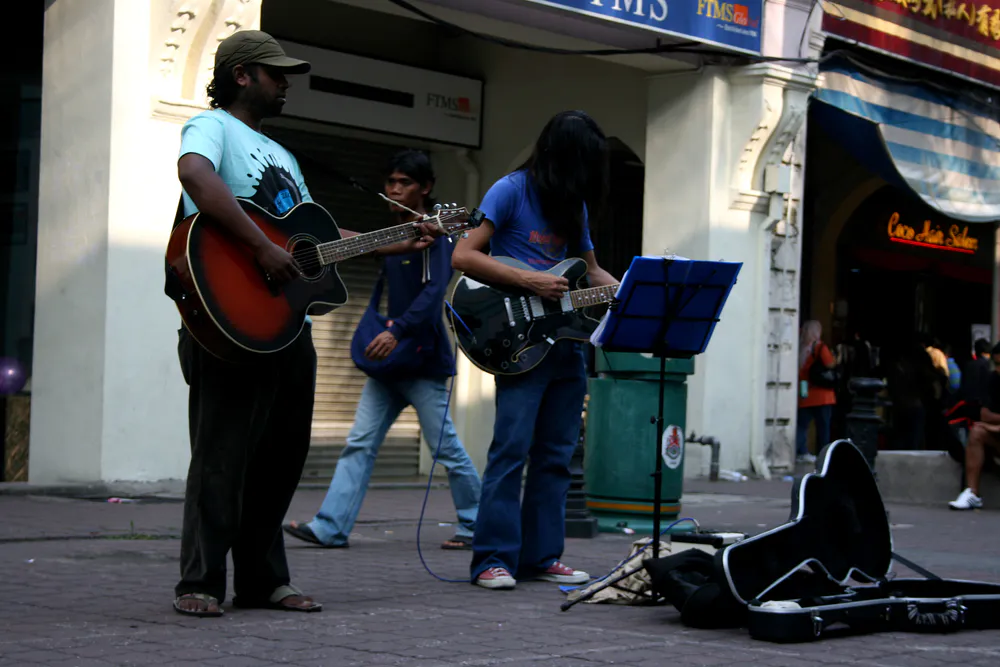
Central Market and nearby historic-city sights.
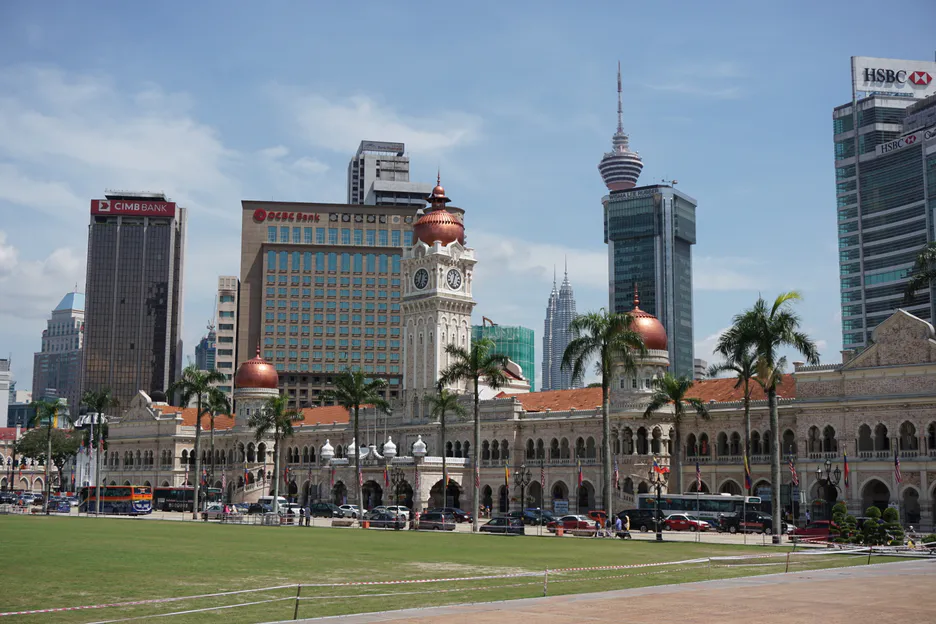
Major civic and historic landmarks.
Transport hub rather than the main sightseeing district.
Traditional Malay neighbourhood character beside the modern skyline.
Set the hierarchy
Prioritise experiences by the role they play in your itinerary, then combine nearby stops.

It gives a clear introduction to modern Kuala Lumpur and its skyline.
Use as the anchor for a modern-city day.
Pair with KLCC Park and Bukit Bintang.This cluster adds civic and historic context to the modern capital.
Give it a focused morning or afternoon.
Pair with Masjid Jamek and Pasar Seni.Sightseeing and food decisions can sit naturally in the same part of the day.
Build into the heritage day rather than crossing town for it.
Pair with Pasar Seni and nearby heritage streets.It works as a lively dining and central-city finish.
Place it after nearby daytime priorities.
Pair with KLCC or an evening food block.It brings Malay neighbourhood character into view beside modern KL.
Use when food is a deliberate part of the route.
Pair with the KLCC side of the city.Route logic
Keep each day geographically coherent. This structure reduces unnecessary crossings while leaving room to adapt.
Day 1
Day 2
Day 3
Move by decision
Choose transport around the connection you need, rather than expecting one mode to solve every journey.
Useful for many major corridors and avoiding road congestion.
Useful within individual clusters; not every attraction is comfortably walkable from every other one.
Useful when rail connections are inconvenient or for direct point-to-point trips.
Treat this as a major transport interchange rather than a sightseeing district.
Arrival strategy
KLIA Terminal 1 and Terminal 2 are in Sepang, Selangor, approximately 50 km from central Kuala Lumpur.
KLIA Ekspres connects the airport with KL Sentral.
Geography first
This is not a restaurant ranking. Treat food as part of each area plan so a meal does not require an unnecessary journey across the city.
Combine sightseeing with eating stops nearby.
Useful for an evening food and dining block.
Useful for Malay food alongside a contrasting view of modern KL.
Build in flexibility
Malaysia has a tropical climate with warm conditions throughout the year and substantial rainfall.
Protect your time
Continue the route
Editorial planning page · Last reviewed 2026-09-03