Strong fit
Nature-focused travel
Sabah offers unusually large contrasts between coast, mountain and rainforest. It rewards travellers who choose a few environments and give each one meaningful time.
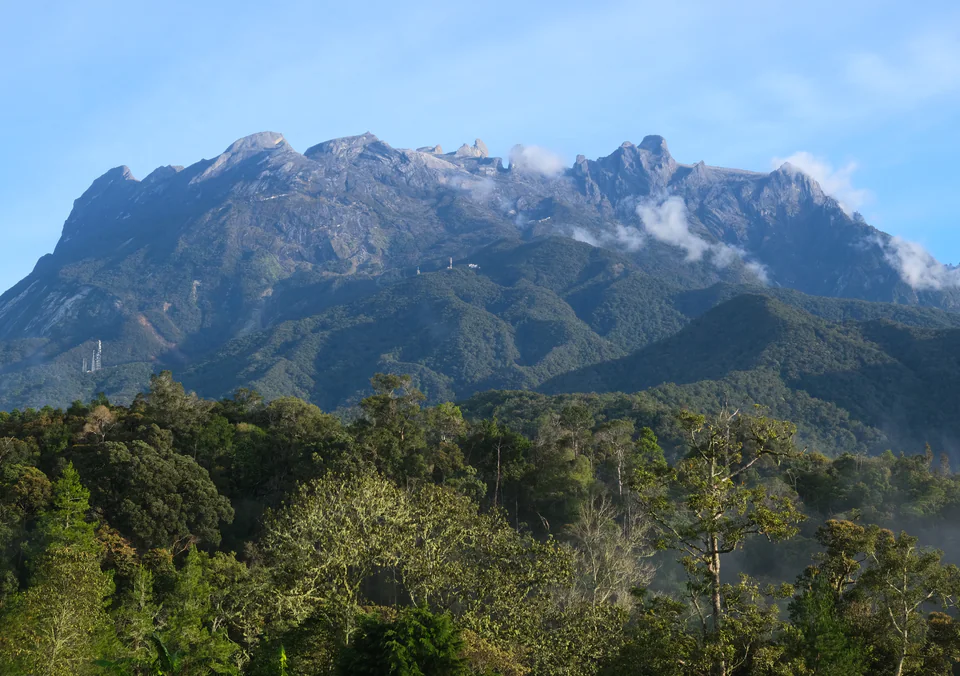
Northern Borneo regional guide
Sabah is not one destination. It is a Borneo journey assembled from a west-coast city, offshore islands, Kinabalu highlands, rainforest regions and a distant south-east marine zone. The first planning decision is not what to see, but which regions deserve the travel time.
Make the Borneo decision
Choose Sabah when nature and ecological contrast deserve a meaningful share of the itinerary—not when Borneo is being added as a hurried extra name.
Sabah works for nature-focused travellers, first-time Borneo visitors, couples and families who select accessible regions thoughtfully. A single trip can connect city, island and highland environments, but only when transfers are treated as part of the route.
It is less suitable for an extremely short Malaysia itinerary, for travellers unwilling to add regional travel legs, or for anyone expecting every major experience around one walkable base. The solution is not to dismiss Sabah; it is to narrow the geographic promise.
Sabah offers unusually large contrasts between coast, mountain and rainforest. It rewards travellers who choose a few environments and give each one meaningful time.
Kota Kinabalu provides a practical introduction and west-coast base, but a wider Sabah trip needs deliberate regional legs.
A focused KK, island and highland plan can work without attempting every famous name. Match activities and transfers to the group rather than to a universal checklist.
East-coast nature experiences require a separate travel decision. Wildlife remains wild, so no responsible plan can guarantee a sighting.
Sabah is a weak add-on when transfers leave almost no usable time. A single west-coast cluster is more honest than claiming to cover the state.
Major regions are separated. Staying only in KK does not place Kinabalu Park, Sepilok, Kinabatangan or Semporna around one urban centre.
Count regions, not pins
The usable answer depends on geographic reach. More days do not justify adding attractions randomly: flights, road transfers, boats and recovery consume real portions of the trip.
Use KK as a real city base, then choose nearby island contrast or a highland component. Trying to add eastern Sabah usually turns the trip into connections.
Build the west coast with more depth or introduce one additional major region carefully. Count arrival and transfer days as part of the design.
Useful expansion rangeThis range is more realistic for combining west and east or south-east priorities. More days should protect transitions, not trigger random attraction collecting.
Four planning zones
Within seconds, the route should answer one question: are you staying west, climbing into the highlands, crossing to eastern nature regions or committing to the south-east marine zone? These are trip legs, not neighbourhoods.
KK is an arrival hub with waterfront, markets, food and urban services. Tunku Abdul Rahman Park creates an offshore island shift without representing every Sabah marine experience.
A separate planning zone from central KK. Kinabalu Park and surrounding highlands change altitude, climate and pace; Kundasang should not be described as being inside the park.
Sandakan, Sepilok and Kinabatangan are connected planning contexts, not one attraction. Build transport and accommodation around the chosen nature experience without promising wildlife.
This is not a casual KK day trip. It requires its own gateway, boats and operational checks; diving, permits and island logistics belong in focused guides.
West-coast gateway
Kota Kinabalu—commonly shortened to KK—is on Sabah's west coast. It is an important arrival gateway and a useful city in its own right, not merely an airport waiting room.
Use KK to recover, orient, eat, understand waterfront and market life at a high level, and organise the next leg. It can launch nearby west-coast experiences, but it does not make every Sabah priority close.
Tunku Abdul Rahman Park sits in Gaya Bay about 3 km offshore. Sabah Parks describes a protected area of roughly 50 square kilometres containing Gaya, Manukan, Mamutik, Sapi and Sulug with their surrounding reefs and sea. That proximity creates a genuine city-to-sea contrast without making it equivalent to Semporna.


City to sea · Five protected islands
The marine park demonstrates how quickly Sabah can shift from urban coast to island landscape. Choose an island day for that contrast, then verify authorised boat operations and current conditions.
No plan should guarantee water clarity, snorkelling conditions or wildlife. Gaya, Manukan, Mamutik, Sapi and Sulug share a protected park context, while each visit still depends on operations and the sea.
Highland layer · UNESCO World Heritage
Kinabalu Park was inscribed on the World Heritage List in 2000. UNESCO records a 75,370-hectare property dominated by 4,095-metre Mount Kinabalu and habitats ranging from tropical lowland and hill rainforest through montane forest to sub-alpine forest and scrub.
The park is exceptionally biodiverse and recognised as a Centre of Plant Diversity for Southeast Asia. That makes the area valuable without a summit climb. Forest, altitude and a cooler highland rhythm can be the reason for the journey.
Sabah Parks identifies it as Sabah's first park, gazetted in 1964, with headquarters around 92 km along the Kota Kinabalu–East Coast Highway. Treat that as evidence of a separate zone, not a promised transfer time. Kundasang is part of the wider highland context, not inside Kinabalu Park by definition.
When wildlife changes the route
Sandakan, Sepilok and Kinabatangan should not be collapsed into one attraction. Together they signal a separate east-coast decision for travellers who place rainforest or wildlife experiences high enough to justify their transport and accommodation pattern.
Choose the actual experience first, then build the gateway and transfer around it. Wildlife remains wild: sightings, timing and behaviour cannot be guaranteed. This state guide intentionally leaves detailed centres, river stays and operators to future focused guides.
South-east marine Sabah
The Semporna region is another major travel zone rather than a casual extension from KK. Decide whether marine and island travel matters enough to receive a separate portion of the itinerary.
Flights or roads, local transfers and boats may all shape the segment. Diving requirements, Sipadan permits, operators, prices and availability are deliberately outside this destination hub and must never be assumed or guaranteed.
From attraction list to regional plan
Choose a route family, then test every added place against the transfer it creates.
KK plus one nearby island or highland contrast.
City and sea followed by a distinct mountain environment.
Choose a specific rainforest or wildlife purpose and respect transfer days.
Allocate a separate portion of the trip to Semporna-region logistics.
Connect only the regions that justify their travel legs, with recovery and weather margin.
Movement changes by region
No single mode solves the state. A flight may protect time on one long regional jump; a road transfer may shape a highland leg; a local ride may suit KK; and a boat may be essential offshore.
Verify every operational link for the travel date. Do not chain separate tickets so tightly that one weather or schedule change breaks the trip.
Useful where road distance would consume too much of the trip. Routes and schedules change; verify before fixing the sequence.
Private transfers, coaches or buses may fit different corridors. Confirm the actual pickup, destination and operating pattern.
Taxi or e-hailing can fill local gaps in appropriate urban areas, but should not be assumed available everywhere in the state.
Conditions and operations matter. Confirm the authorised operator and current service; never treat a boat connection as weather-proof.
Coast, altitude and rainforest
Sabah's coast, islands, highlands and rainforest do not share one useful weather assumption. Heat and humidity matter near the coast; highlands can feel different; rain and sea conditions can alter outdoor or boat plans.
Keep one movable block, carry suitable protection and confirm forecasts and operations close to travel. A slower arrival after a regional transfer is productive planning, not wasted time.
Protect the route
Treating Sabah as one compact destination.
Basing in KK while expecting every major place to be nearby.
Adding east and west coast stops without transfer allowance.
Trying to see every famous place instead of choosing regions.
Assuming wildlife sightings or marine conditions are guaranteed.
Building the entire trip around summit climbing.
Leaving no weather or recovery margin.
Confusing Tunku Abdul Rahman Park with Semporna marine travel.
A deliberate Borneo component
Sabah should change the structure of a Malaysia trip, not sit beside Kuala Lumpur or Penang as if all three were neighbouring stops. Decide how much of the holiday belongs to Borneo, then protect its regional transfers.
For a complementary Borneo journey, compare Sarawak, where a river and cultural gateway leads into rainforest, archaeology and geological depth. Kuala Lumpur is a practical major-city gateway; Penang, Melaka and Langkawi add different heritage or island roles on the peninsula.
Editorial destination guide · Last reviewed 2026-09-04