3-day itinerary

3 Days in Kuala Lumpur: A Practical First-Time Itinerary

This itinerary groups Kuala Lumpur by geography rather than treating the city as one long attractions list. It balances the modern KLCC district, a connected heritage-and-food day, and a separate Batu Caves excursion with flexible local time after returning to the city.

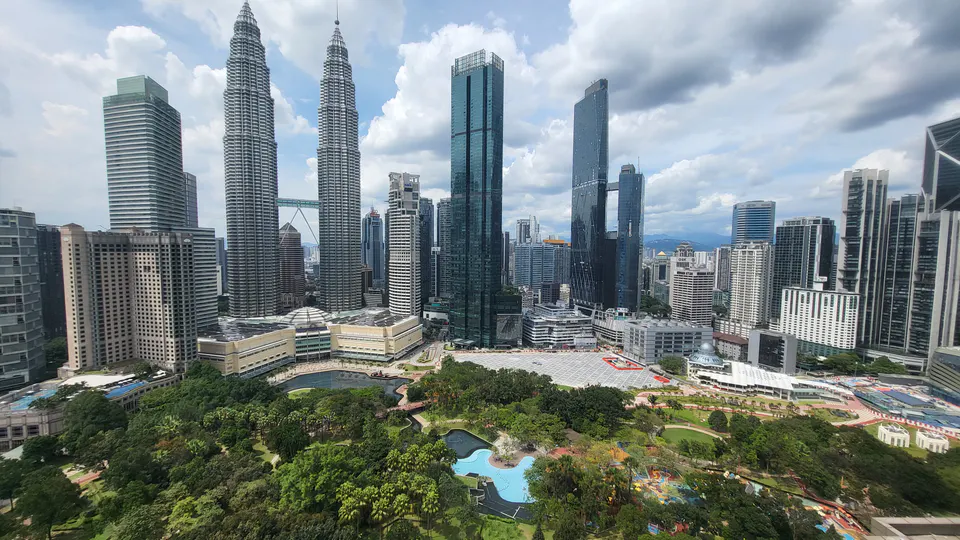
KLCC Park and the Kuala Lumpur skyline
Duration
3 days
Best for
First-time visitors
Pace
Moderate
Base
Central Kuala Lumpur
Transport
Rail + walking + occasional Grab/taxi

Set the pace

Before you start

The plan assumes three reasonably full sightseeing days. If either your arrival or departure falls within that window, decide in advance which evening stop or optional block to remove rather than compressing every day.

Kuala Lumpur is warm and humid, and rain can interrupt an outdoor sequence. Keep indoor stops and meal breaks movable, carry rain protection, and leave more breathing room than the map alone suggests.

A central base simplifies the route. Staying near a useful rail connection reduces repeated transfers while still allowing occasional point-to-point rides when the rail network does not match the journey.

At a glance

Your three-day Kuala Lumpur route

Each day has one geographic job, making it easier to adapt the detail without breaking the overall journey.

  1. Day 1

    Modern Kuala Lumpur

    KLCCPetronas areaCity-centre evening
  2. Day 2

    Heritage, markets & food

    Merdeka SquareCentral MarketPetaling Street
  3. Day 3

    Batu Caves + local Kuala Lumpur

    Batu CavesReturn to central KLFlexible neighbourhood evening

Day one

Day 1

Modern Kuala Lumpur

Begin with the most legible introduction to modern Kuala Lumpur: one compact district where the skyline, public space, shopping and transport sit close together. Keeping the first day centred on KLCC avoids spending the opening hours learning the city through transfers.

KLCCPetronas Twin Towers areaKLCC ParkCentral KL evening
Petronas Twin Towers rising above Kuala Lumpur

Morning

Orient yourself around KLCC

Start in the KLCC district and walk the exterior of the Petronas Twin Towers area before the day becomes busier and hotter. Use the skyline and park as orientation points rather than racing between isolated photo stops. If a timed-admission attraction is important to you, check its official booking arrangements in advance; this itinerary does not imply live ticket availability.
Afternoon

Keep the middle of the day compact

Move through KLCC Park and the surrounding city-centre spaces at a comfortable pace. An indoor lunch or covered stop gives useful relief from heat or rain. Because the afternoon remains within the same district, you can change the order without losing time to a cross-city journey.

Evening

Choose one central finish

Stay around central Kuala Lumpur for the evening. Bukit Bintang can work as a livelier dining finish, while remaining near KLCC suits a slower first day. Pick one area and enjoy it rather than adding several distant night-time stops.

Day two

Day 2

Heritage, markets & food

Day two follows a connected line through Kuala Lumpur's civic and heritage core. The stops are close enough for walking in manageable sections, with short transit or a point-to-point ride available when heat, rain or mobility makes that the better choice.

Merdeka SquareCentral MarketPetaling Street / Chinatown
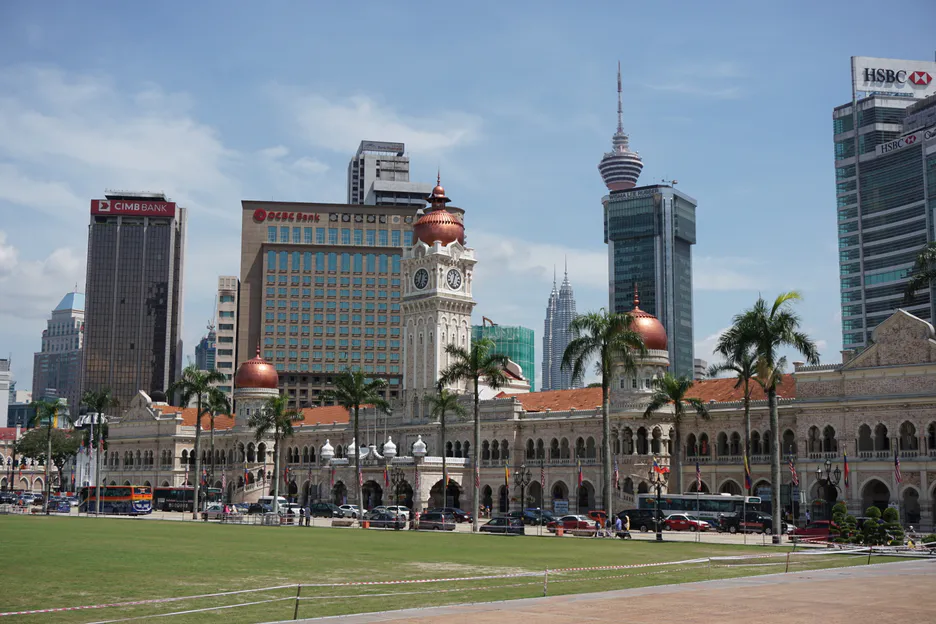
Sultan Abdul Samad Building beside Merdeka Square
Central Market in Kuala Lumpur
Petaling Street in Kuala Lumpur Chinatown

Morning

Start with the civic core

Begin around Merdeka Square and the surrounding historic buildings. This gives the day's later market streets some context and lets you cover the more exposed outdoor area earlier. Focus on the district as a whole instead of trying to enter every building.

Lunch / early afternoon

Move toward Central Market

Continue toward Pasar Seni and Central Market. Pause for lunch within the heritage area so food becomes part of the route rather than a separate cross-city errand. A nearby café, food court or straightforward local meal can also provide a useful weather break.

Afternoon

Continue into Chinatown

Walk onward to Petaling Street and its surrounding lanes. The value is in exploring the wider neighbourhood, not only the market strip. Keep the pace loose enough to stop when something is genuinely interesting and to rest when the afternoon heat builds.

Evening

Let appetite and energy decide

Remain in Chinatown for an easy evening meal or return to another central food area if you still have energy. Jalan Alor is an optional evening choice, not a compulsory final stop. Avoid crossing the city merely to complete a checklist.

Day three

Day 3

Batu Caves + local Kuala Lumpur

Batu Caves is in Gombak, Selangor, outside central Kuala Lumpur. Treat it as a distinct excursion with its own transport time rather than squeezing it between central-city attractions. Keeping the morning focused on the excursion leaves the second half of the day flexible after returning to the city.

Batu CavesReturn to central KLFlexible neighbourhood finish

Morning

Make Batu Caves the clear priority

Start earlier so the outward journey, the site itself and the return do not consume the entire day. KTM can be relevant depending on current operations and where you begin, while a taxi or Grab may provide a more direct alternative. Check current operator information before leaving; this itinerary does not assume a fixed timetable.

Afternoon

Return before choosing the next area

Allow proper time to get back to central Kuala Lumpur, eat and reset. Then choose one neighbourhood that complements what you have already seen. Kampung Baru can add a different local-city perspective, while returning to Bukit Bintang or KLCC keeps the day simpler.

Evening

Finish according to weather and energy

Use the final evening for a meal, a neighbourhood walk or an indoor stop rather than another major sightseeing circuit. If rain delays the morning or the excursion takes longer than expected, this is the section to shorten without damaging the core itinerary.

Move by purpose

How to get around during these 3 days

Use the mode that solves each connection. KL Sentral is an important hub, but not every journey needs to pass through it.

MRT

Useful for several central corridors and for linking neighbourhoods when the stations suit your route. Check the specific interchange rather than assuming every line connects directly.

LRT

Helpful for parts of central Kuala Lumpur, including access around the KLCC and heritage areas. Use it for the journey it simplifies, not automatically for every short movement.

Monorail

Can be useful around Bukit Bintang and adjoining central areas, especially when it matches your accommodation or evening plan.

KTM

Relevant to the Batu Caves excursion, subject to current service information. Build waiting and connection time into the morning rather than treating it like a central metro hop.

Walking

Best within clusters such as KLCC or the heritage core. Heat, rain, road crossings and uneven pedestrian connections can make a short-looking route slower than expected.

Grab / taxi

Useful as an occasional gap-filler when rail requires awkward transfers, weather changes quickly or energy is limited. It should support the route rather than define every journey.

Services and operating patterns can change. Check the relevant transport operator when making time-sensitive plans.

Choose a useful base

Where to stay for this itinerary

The most useful area is the one that reduces friction for your priorities; this is a location decision, not a hotel ranking.

KLCC

Convenient for the first day's skyline district and a polished central base. Other neighbourhoods may require rail or a short ride.

Bukit Bintang

A practical choice for dining and evening energy, with useful central connections. It can feel busier than travellers seeking a quiet base prefer.

KL Sentral

Strong for airport and wider rail connections. Treat it primarily as a transport base; not every sightseeing journey needs to return through the hub.

Chinatown / heritage core

Well placed for day two and useful for a more street-level setting. Compare the exact walk to rail and the atmosphere you want at night.

Meals that fit the day

What to eat along the route

01

Use food courts, kopitiam-style stops and hawker-style settings where they fit the day's geography. They can add variety without turning meals into long transfers.

02

On day two, keep lunch around Central Market, Pasar Seni or Chinatown so the meal supports the heritage route. Petaling Street is context for exploring the wider area, not a guarantee that every visible stall suits every traveller.

03

Jalan Alor can be an optional evening food area when Bukit Bintang already fits the plan. It does not need to be added after a full day elsewhere simply because it appears on common checklists.

04

Malaysia's meal choices extend across Malay, Chinese, Indian and many regional traditions. Use the three days to vary settings and dishes while keeping dietary needs and personal comfort central to each decision.

Keep the structure, change the detail

Adapt the itinerary to your trip

If it rains

  • Swap the order of outdoor and indoor blocks within the same district instead of abandoning the whole day.
  • Use museums, markets, malls, covered connections or a longer meal as buffers where they fit naturally, then return outdoors when conditions improve.
  • Keep the Batu Caves afternoon flexible. Tropical rain cannot be scheduled precisely, so avoid building a chain of fixed outdoor stops after the excursion.

If you only have 2 days

Prioritise day one and day two for the clearest introduction to modern Kuala Lumpur and the connected heritage core. If Batu Caves matters more to you than one of those themes, use it to replace part of a day rather than adding it on top; for example, take the excursion on the second morning and keep only one compact heritage cluster afterward.

If you have a 4th day

  • Use the extra day to deepen one part of Kuala Lumpur rather than making the original three days denser.
  • Choose a slower neighbourhood day, spend longer with museums and indoor cultural stops, or give Kampung Baru and a food-focused evening proper space.
  • Alternatively, turn day three into a less compressed Batu Caves excursion and reserve day four for the local Kuala Lumpur finish that weather or energy may otherwise shorten.

Protect your time

Common planning mistakes

  1. 01

    Combining distant attractions merely because each looks close on a simplified map.

  2. 02

    Scheduling every hour and leaving no recovery time after transport, heat or rain.

  3. 03

    Assuming every central journey is comfortable to walk from end to end.

  4. 04

    Routing every rail journey through KL Sentral even when another connection is more direct.

  5. 05

    Treating Batu Caves as a quick central-Kuala Lumpur stop instead of an excursion into Gombak, Selangor.

  6. 06

    Leaving no flexibility for meals, rest or a longer-than-expected stop.

Save the shape

Quick itinerary recap

Day 1

Modern Kuala Lumpur

KLCC → Petronas area → City-centre evening

Day 2

Heritage, markets & food

Merdeka Square → Central Market → Petaling Street

Day 3

Batu Caves + local Kuala Lumpur

Batu Caves → Return to central KL → Flexible neighbourhood evening