One base
Lowest logistical costMore usable sightseeing time and fewer orientation days.

Plan your trip length
The answer depends less on how many attractions you can list and more on how many regions you can connect without turning the trip into a sequence of transfers.
3 days can make sense. 7 days can make sense. 14 days can make sense. They are simply different Malaysia trips.Find your trip lengthThe 30-second answer
There is no universal perfect number. Compare each duration by the number of bases, the transfers it creates and the contrast it can support.
One base · Minimal transfer complexity
Kuala Lumpur025daysTwo bases · One major intercity move
Kuala Lumpur → Penang037daysThree bases · Transfers become meaningful
Kuala Lumpur → Penang → Langkawi0410daysFour bases · City, highland, heritage and island
Kuala Lumpur → Cameron Highlands → Penang → Langkawi0514daysFour bases · Domestic flights change the structure
Kuala Lumpur → Penang → Kuching → Kota Kinabalu / Kinabalu ParkThe real question is how many regions
Destination count hides the cost of movement. A change of base can consume useful time before and after the transport itself.
More usable sightseeing time and fewer orientation days.
One meaningful contrast without letting movement dominate.
Transfers become a visible part of the week.
Each move must justify the usable time it removes.
A flight connection and regional logistics should earn their place.

Focused city break
Three days can establish one base and let Kuala Lumpur feel like a destination rather than an airport stop. The published route connects major city sights, heritage and food context with one carefully chosen excursion or deeper area.
Protect the route: Do not turn three days into Kuala Lumpur, Penang and Langkawi—or a Peninsula-and-Borneo collection. Arrival and departure logistics already reduce the usable time.
Open the 3-day itinerary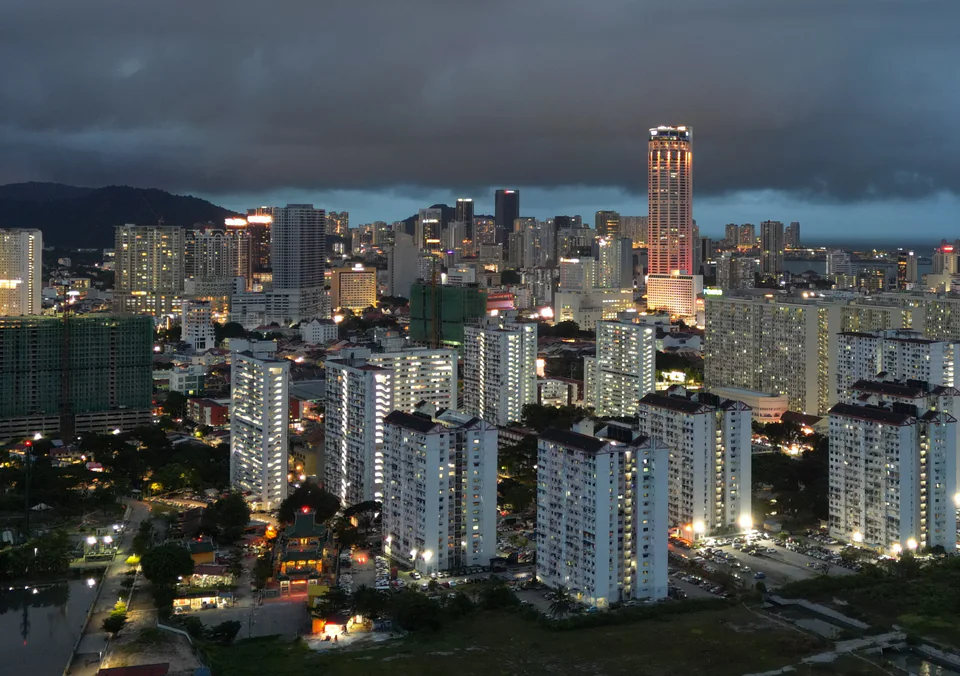
Two-stop introduction
Two complementary bases make more sense than squeezing in an island or Borneo. Kuala Lumpur supplies metropolitan scale; Penang adds George Town’s walkable heritage, food and smaller-city texture.
Protect the route: The transfer must earn its place. Protect the Kuala Lumpur–Penang move and resist adding a third hotel simply because five nights looks generous on a calendar.
Open the 5-day itinerary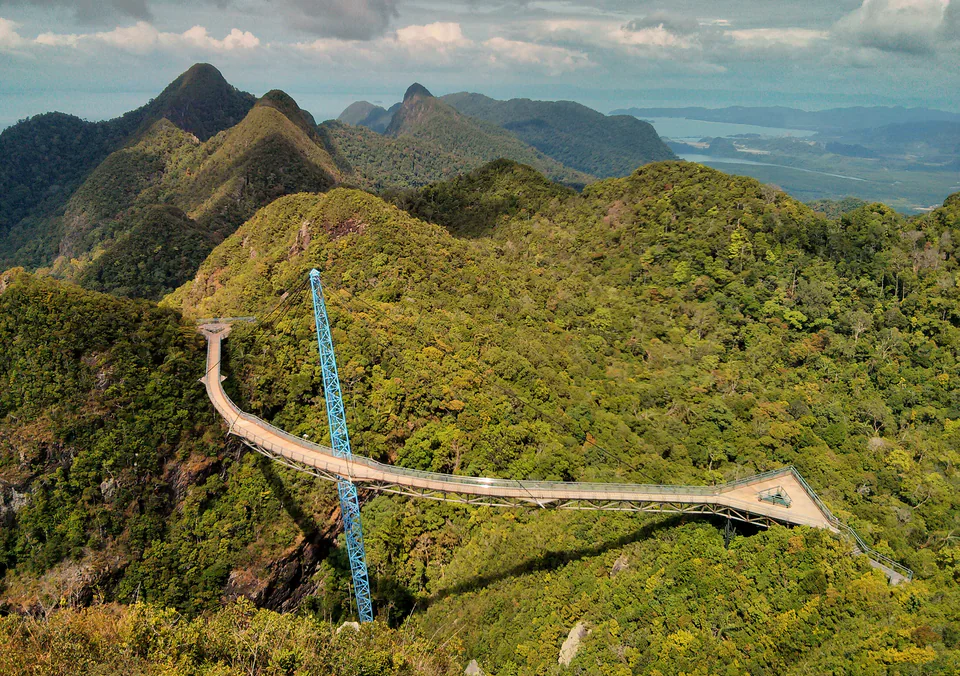
The classic three-stop shape
Langkawi adds a genuine island and landscape contrast after city and heritage time. It also introduces another transfer, so the value comes from three distinct rhythms—not from claiming one week covers Malaysia.
Protect the route: Do not treat transport as invisible or make the island a hurried final pin. Current connection details belong in date-specific checking, not in a permanent duration promise.
Open the 7-day itinerary
More variety, still Peninsula-focused
The extra days buy a different landscape rather than another city stop. Cameron Highlands changes elevation and road logic between Kuala Lumpur and Penang before the route finishes with island time.
Protect the route: Four bases still require discipline. More time does not erase packing, road movement or the Langkawi connection, and this page does not invent a separate Cameron Highlands guide.
Open the 10-day itinerary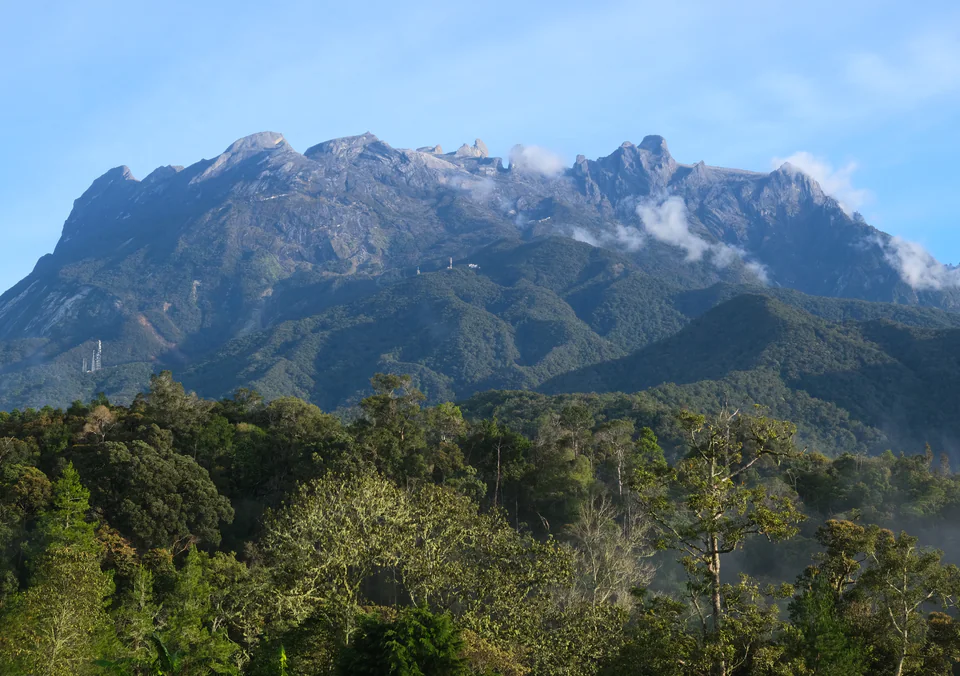
Peninsula + Borneo becomes realistic
Borneo changes the geographic structure of the journey. Kuching opens a Sarawak chapter; Kota Kinabalu and Kinabalu Park create a distinct Sabah chapter. Domestic flights are structural travel days, not casual hops.
Protect the route: Two weeks does not comprehensively cover Malaysia, Sabah or Sarawak. The route works by selecting clear regional roles and accepting fewer Peninsula stops.
Open the 14-day itineraryWhen more days do not mean more destinations
Use additional time to improve the experience already chosen. Depth and resilience are legitimate outcomes of a longer holiday.
Begin without turning breakfast and checkout into a race.
Stay long enough for a base to feel useful.
Move an outdoor plan instead of losing it.
Let food and streets unfold beyond landmarks.
Allow energy to reset after a long move.
Spend another day in the environment that justified the journey.
Absorb disruption without collapsing the entire route.
How many days by travel style
The same number of days behaves differently for an urban route, an island break and a Borneo nature journey.
Five to ten-day Peninsula routes are logical starting shapes. Choose two, three or four bases according to the actual time.
Shorter trips can work well because one or two urban bases support varied days without repeated repacking.
Fewer bases can produce better neighbourhood exploration and let meals belong to the day’s geography.
Protect time at the island base. Do not surround the experience with so many moves that the coast becomes another transfer day.
Allocate meaningful regional blocks. Sabah and Sarawak cannot responsibly be treated as day trips from the Peninsula.
A longer duration is more appropriate because flights, airports and regional movement reduce usable time.
The transfer tax
Every change of base has work around the advertised transport segment. This is especially important when crossing between Peninsular Malaysia and Borneo.
Should you add Borneo?
Sabah and Sarawak are distinct regional journeys. Adding either should reshape the itinerary and reduce the number of Peninsula stops.
Add Borneo when
Keep the trip Peninsula-focused when
No single minimum-day rule resolves this. The question is whether Borneo receives meaningful time after its logistics are counted.

Weather can change the answer
Choose the trip length first, then check whether its regions and most weather-sensitive experiences suit the travel period. Weather may justify more flexibility, a changed order or a different regional emphasis.
Use the best-time guideChoose your itinerary
Open an itinerary only after its number of bases and movement pattern fit the full days you actually have.
Plan in this order
Start with the broader Malaysia Travel Guide or return to the planning hub.
Don't ask how much Malaysia you can fit in.
Ask how much Malaysia you can actually experience.